
Crayo: review, pricing and alternatives
What is Crayo AI?
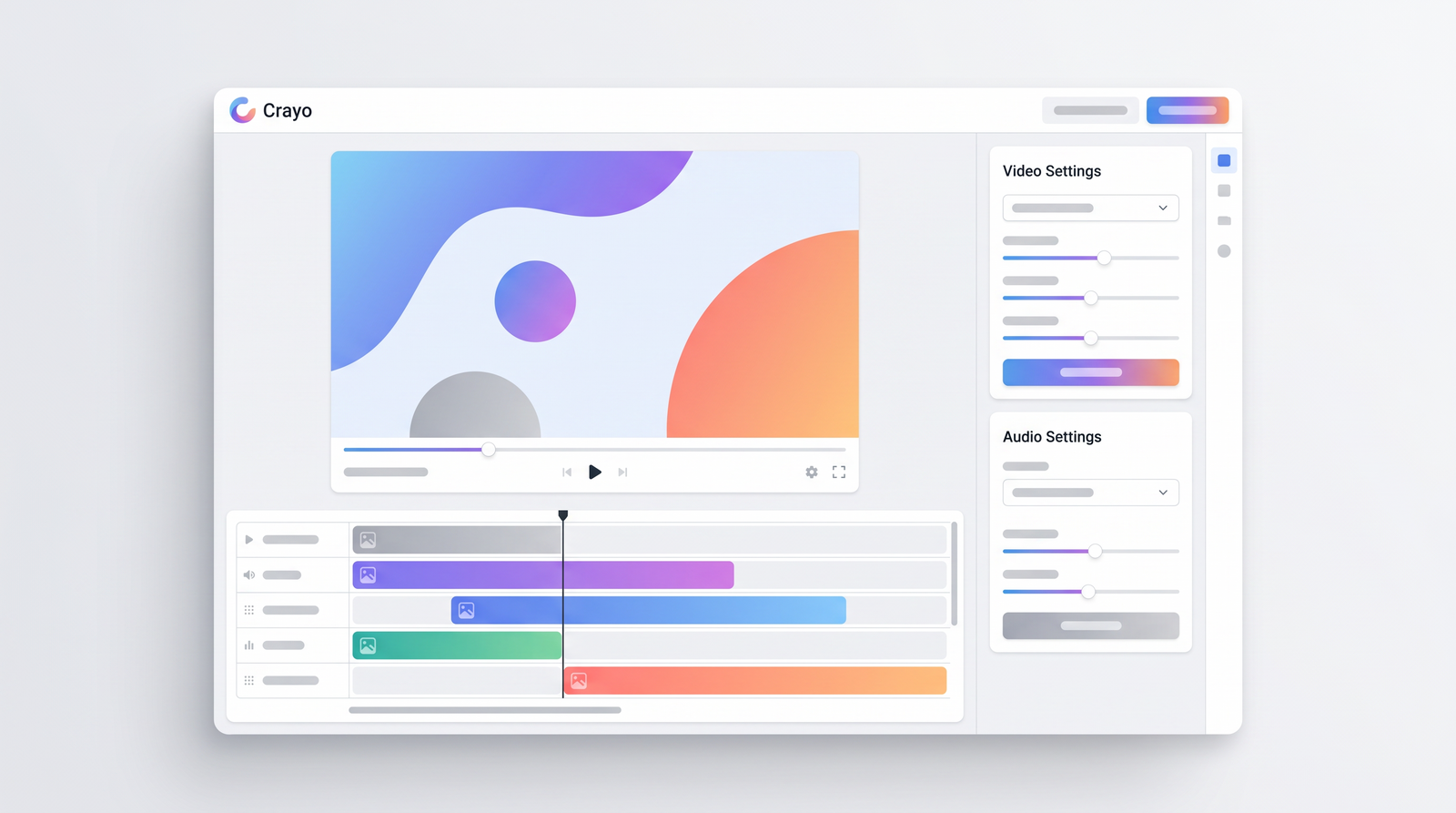
When I first encountered Crayo AI, it immediately presented itself as a specialized tool in the burgeoning field of artificial intelligence content generation. At its core, Crayo AI is designed to transform simple text prompts into engaging, short-form videos and static images. It’s an AI-powered platform that aims to democratize video creation, making it accessible even to those without extensive technical skills or prior editing experience.
My impression is that it’s built for speed and efficiency, particularly for creators who need to produce a high volume of content quickly. It essentially acts as a digital assistant that takes your ideas, expressed in text, and converts them into visual narratives, complete with relevant visuals and audio. This capability positions Crayo AI as a valuable asset for a diverse group of users.
The primary audience for Crayo AI includes content creators who are constantly looking for ways to feed the insatiable demand of platforms like TikTok, Instagram Reels, and YouTube Shorts. Marketers can leverage it to rapidly produce promotional materials or explainer videos, while businesses might find it useful for internal communications, quick tutorials, or social media campaigns. The promise is clear: generate professional-quality content with minimal effort, allowing users to focus more on their message and less on the complexities of video production.
It’s not just about generating videos; it’s about making the entire process, from script to final cut, as streamlined as possible. For anyone who’s ever struggled with video editing software or the time commitment involved in traditional content creation, Crayo AI offers an intriguing, AI-driven solution.
Key Features of Crayo AI
Diving into Crayo AI, I found a suite of features that collectively aim to be an all-in-one solution for short-form video creation. The platform boasts an AI script generator, which is incredibly handy for brainstorming and structuring video content from scratch. You simply input a topic or a few keywords, and it helps craft a narrative, saving a significant amount of time that would otherwise be spent on writing. This ties directly into the AI story video generator, which takes that script, or one you provide, and begins to piece together a visual story.
A critical component of any video is its audio, and Crayo AI addresses this with its robust AI voiceovers. While AI voices can sometimes sound a bit robotic, this feature ensures that your generated videos have narration without needing to record it yourself. It also supports text-to-image video generation, allowing you to create dynamic visual sequences based purely on textual descriptions. For those looking to create a specific aesthetic, there's even a feature for fake text videos, which can be useful for social media memes or specific narrative styles.
Beyond pure generation, Crayo AI includes practical utilities like a YouTube downloader, which is a surprisingly useful addition for content repurposing or for using existing video snippets in new creations, particularly for educational or commentary purposes. It also offers a set of basic video editing tools. While not a full-fledged editor like Premiere Pro, these tools allow for essential adjustments, ensuring you can fine-tune the AI-generated output to better suit your needs. What truly sets some of its video generation capabilities apart is its integration of Google Veo-3 technology, which, in my experience, helps generate videos with more relevant and dynamic background scores, enhancing the overall production quality.
Overall, the feature set paints a picture of a platform designed to handle most aspects of short-form video creation, from conceptualization to a near-final product, making it a compelling option for rapid content deployment.
How to Use Crayo AI
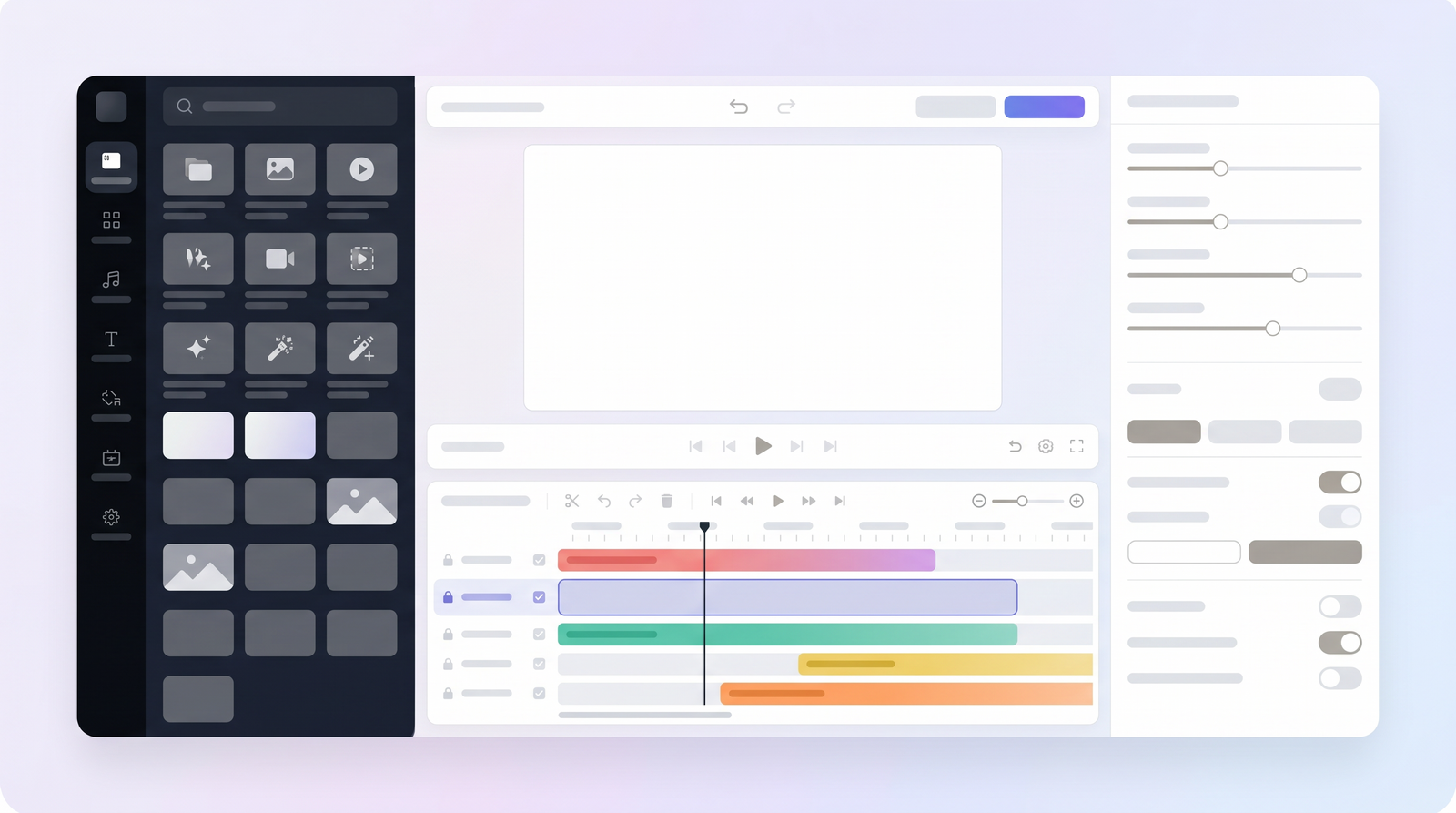
One of Crayo AI's most compelling aspects, from my personal experience, is its intuitive interface and straightforward user journey. You don't need to be a seasoned video editor or a tech wizard to get started. The process generally begins with a simple text prompt – this could be a few sentences outlining your video idea, a full script, or even just a topic you want to explore. The platform is designed to take that textual input and guide you through the content creation process effortlessly.
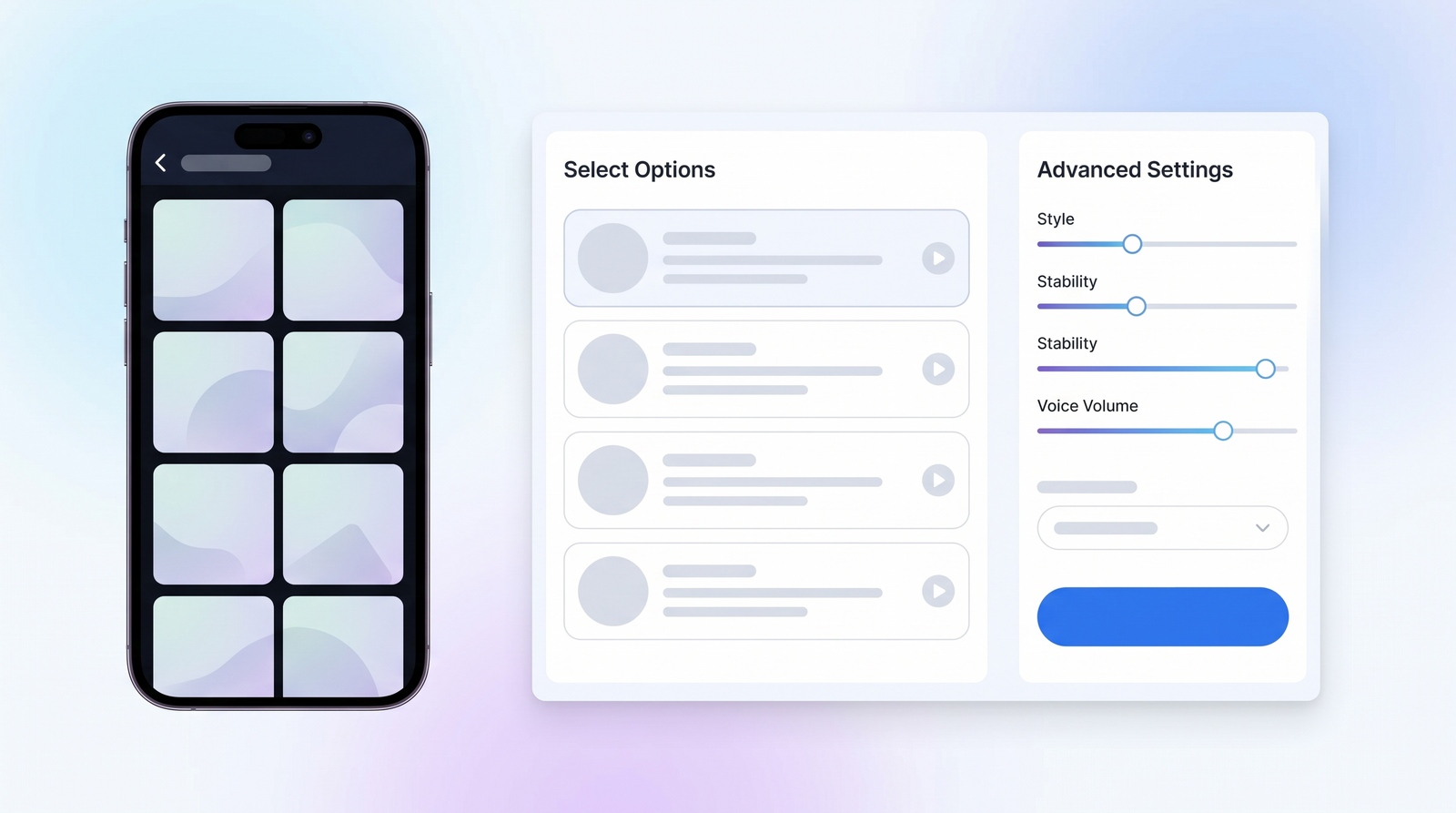
Once your text is in, you'll typically be presented with options to refine your video. This might involve selecting a style, choosing an AI voice for narration, or specifying the tone. The AI then takes over, leveraging its algorithms to generate a video that attempts to match your prompt. What I found particularly impressive is how quickly it can churn out a first draft. It’s not an instant button press, but the generation speed is certainly a highlight, allowing for rapid iteration.
For beginners, this ease of use is a significant advantage. The platform's design minimizes the learning curve, meaning you can jump right into creating rather than spending hours understanding complex menus or timelines. You're guided step-by-step, from inputting your idea to reviewing the generated content. While the initial output might not always be perfect, the basic editing tools provided allow for quick tweaks, such as adjusting timings, swapping out visuals, or refining the voiceover. It truly feels like an accessible entry point for anyone looking to create video content without the traditional barriers.
The seamless experience from text prompt to generated video is what makes Crayo AI stand out for quick content production. It’s a tool that lets you focus on the message you want to convey, offloading the heavy lifting of video production to artificial intelligence.
Crayo AI Pricing & Plans
When considering any AI tool, the pricing structure is often a crucial factor, and Crayo AI is no exception. From what I’ve gathered, and my own exploration, Crayo AI operates on a subscription model, and it’s important to note right away that there is no free plan available. This means if you want to try out its capabilities, you'll need to commit to a paid subscription from the get-go.
The pricing range for Crayo AI generally falls between $13 and $79 per month, depending on the specific plan and potentially promotional offers. However, the most commonly detailed and understood plan, which gives a good benchmark of its offerings, is priced at $19 per month. This particular tier is quite comprehensive for creators focusing on short-form content.
For $19 a month, subscribers gain access to a generous set of resources. This includes the ability to generate up to 50 AI videos, which is a substantial number for regular content output. You also get 40 minutes of video export time, providing ample room for your creations, and 30 minutes of AI voiceover generation, which is crucial for narrated content. Additionally, this plan typically includes 100 image generations, adding flexibility for visual content beyond just video.
This structure suggests Crayo AI is targeting serious content creators and small businesses who need consistent, high-volume output and are willing to invest in a dedicated tool. While the absence of a free tier might deter some casual users, the features and quotas offered in the paid plans seem designed to provide good value for those who genuinely integrate AI video generation into their workflow.
| Plan | Price | Best for |
|---|---|---|
| Standard (example) | $19/month | Short-form content creators, marketers, small businesses needing 50 AI videos, 40 min export, 30 min voiceover, 100 images. |
Crayo AI: Pros & Cons
After spending some time with Crayo AI and looking at what other users are saying, a clear picture emerges of its strengths and weaknesses. On the positive side, its ease of use is consistently highlighted. I found that its intuitive interface genuinely makes it accessible for anyone, regardless of their video editing background. This translates directly into time-saving benefits; what might take hours with traditional software can be accomplished much faster with Crayo AI's automation.
The platform also offers a good degree of customization, allowing you to tailor the AI's output to some extent, and the fast video generation is a major plus when you're trying to keep up with content trends. Many users, myself included, appreciate the access to viral-ready templates, which helps in producing engaging content that performs well on social media. It truly helps in pumping out content like no other, as one user put it.
However, it’s not without its drawbacks. The most immediate one for many is the absence of a free plan, meaning there’s no way to test the waters extensively without a financial commitment. I've also noticed, and seen echoed by others, issues with subtitle accuracy, particularly when transcribing videos. This can be frustrating, as editing these transcriptions message by message isn't always straightforward. Furthermore, while it has basic editing tools, it suffers from limited advanced editing features, which means you might still need external software for complex edits.
Another common complaint revolves around the robotic nature of some AI voiceovers, which can detract from the video's natural feel. Finally, users have reported occasional glitches or downtime, where the app 'tweaks out' or goes down for a few minutes, or even more significant issues like files being converted incorrectly (e.g., to MP3 instead of video). While these might be minor for some, they can be critical for others relying on the tool for consistent output.
Performance & User Experience
In terms of performance, Crayo AI generally delivers on its promise of rapid video generation. When I've used it, the speed at which it converts text prompts into a video draft is quite impressive, certainly faster than manual editing. This quick turnaround is crucial for creators who need to maintain a consistent posting schedule or capitalize on trending topics. The interface itself is undeniably intuitive, living up to the claims of being beginner-friendly. Navigating through the options, inputting text, and initiating the generation process feels smooth and logical, minimizing any friction in the creative workflow.
However, the user experience isn't entirely without its bumps. While the core generation is fast, I've seen reports from users, and occasionally experienced myself, moments where the platform 'tweaks out' or goes down temporarily. These aren't usually long outages, but they can interrupt a creative flow, which can be frustrating if you're on a tight deadline. It's a reminder that even advanced AI tools are susceptible to technical hiccups.
A more persistent issue that I've noted, and which is frequently raised by users, concerns the accuracy and editability of transcriptions. When generating subtitles or transcribing existing videos, the AI isn't always perfect, and the ability to finely edit these transcriptions, message by message, can be limited. This means you might spend extra time correcting errors outside the platform or settling for less-than-perfect captions. There have also been specific instances reported, such as videos being incorrectly converted to audio-only MP3 files, which can halt a project entirely and require direct developer intervention to resolve.
So, while the initial experience of text-to-video generation is often seamless and efficient, the overall performance can be occasionally marred by these technical glitches and limitations in post-generation refinement, particularly around transcription and file handling.
Who is Crayo AI Best For?
Based on my experience and the collective feedback, Crayo AI truly shines for a specific demographic of content creators. It's an ideal tool for short-form content creators who are constantly battling the demand for fresh, engaging videos on platforms like TikTok, Instagram Reels, and YouTube Shorts. If your goal is to pump out a high volume of viral-ready clips quickly, Crayo AI's ability to rapidly convert text into video, often utilizing templates designed for social media success, is a significant advantage.
Marketers are another key beneficiary. Whether you're a small business owner looking to create quick promotional videos or a digital marketer needing to produce ad creatives at scale, Crayo AI can streamline the process. Its capacity for fast video generation means you can test different concepts and messages without investing heavily in production time or resources, allowing for more agile marketing campaigns.
Beyond the commercial realm, educators can also find immense value in Crayo AI. I've seen examples of users converting YouTube videos into formats suitable for presentations, allowing them to embed content into platforms like PowerPoint where direct YouTube links might be restricted due to security measures. This repurposing capability makes it easier to integrate dynamic video content into lessons or lectures without complex editing.
Ultimately, Crayo AI is best suited for anyone who prioritizes speed and volume in their content creation, particularly those who are comfortable working from a text-first approach and don't require highly intricate or bespoke video editing capabilities. If you're looking to quickly generate engaging, faceless video clips that capture attention and drive engagement without needing advanced technical skills, then Crayo AI is definitely a tool worth considering for your arsenal.
Crayo AI Alternatives & Comparisons
The AI video generation landscape is growing rapidly, and Crayo AI certainly isn't operating in a vacuum. When I look at the market, there are several alternatives that offer similar, or sometimes different, capabilities. Tools like InVideo, for instance, often come up in direct comparison. While both aim to simplify video creation, they might differ in their specific feature sets, pricing, or the quality of their AI-generated content.
Other AI video editing tools, such as those that focus more on long-form content or offer more advanced editing suites, also exist. What makes Crayo AI unique often boils down to its strong focus on short-form, text-to-video generation with an emphasis on speed and ease of use for social media. Many alternatives might offer more granular control over edits or a wider range of stock media, but might also come with a steeper learning curve or a higher price point.
When evaluating Crayo AI against its competitors, it’s important to consider what your primary use case is. If rapid, high-volume generation of short, viral-ready clips from text is your main goal, Crayo AI is a strong contender. However, if you require extensive post-production editing, highly customizable visuals, or perfectly natural-sounding AI voices, you might find some alternatives more suitable, even if they cost more or take longer to master. You can see how it stacks up against alternatives on Top10k to make an informed decision.
Ultimately, Crayo AI's unique selling proposition lies in its accessibility and efficiency for a specific type of content creation, rather than being a universal solution for all video editing needs. It's about finding the right tool for your particular workflow and content strategy.
Customer Reviews & Reputation
When I look at the broader sentiment surrounding Crayo AI, it's a mixed but generally positive picture, heavily influenced by where you're looking. On platforms like the App Store, Crayo AI boasts a notably high rating, often hovering around 4.8 out of 5 stars from over a thousand ratings. This indicates a strong level of satisfaction among its mobile user base, with many praising its utility for pumping out content quickly and effectively, often stating it's 'definitely worth the money.'
However, digging into the specifics reveals some recurring complaints that temper the overall enthusiasm. A frequent point of frustration, which I've also noted, is the difficulty in editing transcriptions. Users wish they could fine-tune the AI-generated text message by message, highlighting an area where the tool could improve its accuracy and user control. There are also reports of occasional technical issues, such as the app 'tweaking out' or experiencing brief downtime, which, while not deal-breakers for everyone, can be disruptive. More concerning are specific bugs like files being converted to MP3 audio instead of video, which can be a significant roadblock for a creator.
On platforms like Trustpilot, while there isn't a direct rating available from my research, the focus of reviews tends to be around customer service, staff responsiveness, and overall response time. This suggests that when users encounter issues, their experience with support becomes a key factor in their overall satisfaction. The presence of developer responses to App Store reviews also indicates an active effort to address user feedback, which is always a positive sign.
In essence, Crayo AI has built a reputation as a highly useful and efficient tool for its core function, but it's not without its rough edges. The high ratings reflect its core value proposition, while the specific complaints point towards areas for refinement and improved reliability.
Is Crayo AI Worth It? The Verdict
After a thorough look at Crayo AI, weighing its capabilities against its limitations, I can confidently say that whether it's 'worth it' entirely depends on your specific needs and expectations. If you are a short-form content creator, a marketer, or an educator who needs to generate a high volume of video content quickly from text prompts, then Crayo AI offers compelling value. Its intuitive interface, fast generation speed, and focus on viral-ready templates make it incredibly efficient for churning out content for social media platforms.
The $19/month plan, offering 50 AI videos, ample export time, and voiceover minutes, seems like a reasonable investment for someone consistently producing content. It genuinely saves a significant amount of time and effort compared to traditional video editing. For those who need to convert YouTube videos for presentations or quickly create faceless videos, it’s a powerful and accessible tool that can accelerate your workflow dramatically.
However, it’s crucial to acknowledge its downsides. The absence of a free plan means you have to commit financially upfront. More importantly, if you require highly accurate transcriptions with granular editing capabilities, advanced video editing features beyond the basics, or consistently natural-sounding AI voiceovers, you might find Crayo AI falls short. The occasional glitches and downtime, while often temporary, can also be frustrating for professional users.
My verdict is this: If your content strategy revolves around rapid, high-volume creation of short, engaging videos and you're comfortable with AI-driven automation, Crayo AI is absolutely a suitable investment. It's a game-changer for efficiency. But if your projects demand intricate editing, perfect audio fidelity, or absolute reliability without any occasional hiccups, you might need to supplement it with other tools or explore more comprehensive, albeit potentially more complex or expensive, alternatives. For what it sets out to do – fast, accessible AI video generation – it largely succeeds and can be a valuable asset in the right hands.
Full profile and live ranking: https://top10k.com/ai/crayo
Published by

Top10k Tools is known as a collection of free web apps offering 4,000+ ready-to-use tools that help boost productivity.
It brings together everything from SEO and coding to file converters, image tools, and handy calculators. Everything works directly online, so you can start in seconds.
The long-term vision is reaching 10,000 useful web tools that solve real problems.
If your work happens online, the right tool is just a click away. Find your next favorite tool.
Frequently asked questions
Is there a free plan available for Crayo AI?
No, Crayo AI does not offer a free plan. To access its features and start generating content, you will need to subscribe to one of its paid plans from the outset.
How much does Crayo AI cost?
Crayo AI's pricing generally ranges from $13 to $79 per month. A common plan is priced at $19 per month, which typically includes 50 AI videos, 40 minutes of export, 30 minutes of voiceover, and 100 image generations.
What are the main benefits of using Crayo AI?
The primary benefits of Crayo AI include its exceptional ease of use, significant time-saving capabilities, fast video generation from text prompts, and access to viral-ready templates. It allows creators to produce high volumes of short-form content quickly without needing advanced technical skills.
What are the biggest drawbacks of Crayo AI?
The main drawbacks include the lack of a free plan, occasional issues with subtitle accuracy and limited editing options for transcriptions, potentially robotic-sounding AI voiceovers, and reports of occasional glitches or downtime.
Is Crayo AI suitable for beginners?
Yes, Crayo AI is highly suitable for beginners. Its intuitive interface and guided workflow make it very accessible, allowing users to create professional-quality videos from text prompts without needing extensive prior video editing experience.
Can I edit the generated videos in Crayo AI?
Crayo AI provides basic video editing tools that allow for some adjustments to the AI-generated content. However, it lacks advanced editing features, meaning complex or highly nuanced edits might require external software.
How does Crayo AI compare to other AI video tools?
Crayo AI stands out for its strong focus on rapid, high-volume generation of short-form, social media-ready videos directly from text. While alternatives like InVideo or more advanced editors might offer broader features or more granular control, Crayo AI prioritizes speed and ease of use for its specific niche.
Is Crayo AI reliable?
Crayo AI is generally reliable for its core function of video generation, with users praising its consistent output. However, some users have reported occasional instances of the app 'tweaking out' or experiencing temporary downtime, as well as specific bugs like incorrect file conversions, which can affect overall reliability for critical tasks.